


Competitive Costs

23 Years Experience

Fully Insured
Woodland management plans are strategic documents that outline how a woodland will be managed to achieve specific objectives over a set period. One of the primary goals of woodland management plans is to enhance and preserve biodiversity. Our management plans aim to addresses the following aspects:
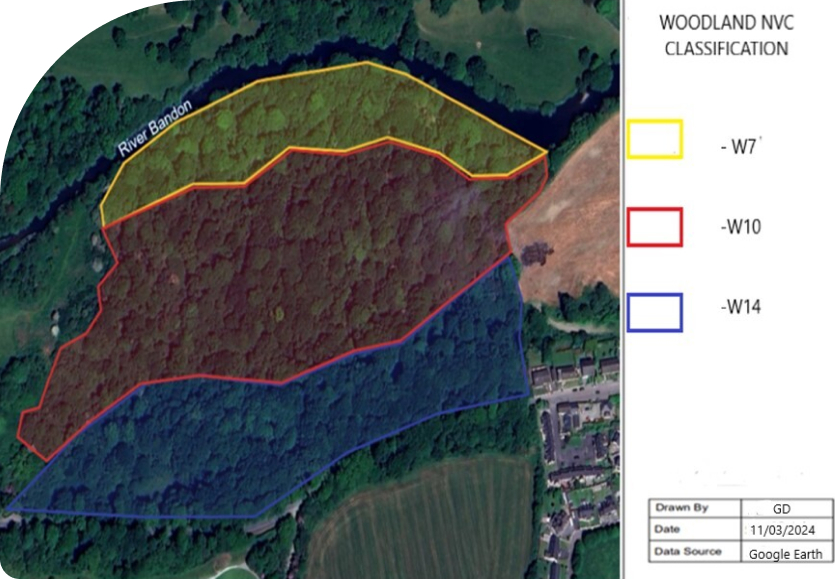
Assessment and Inventory
Tree and Vegetation Survey: Detailed documentation of tree species, age classes, health status, and overall woodland composition.
Habitat and Biodiversity Assessment: Identification and evaluation of habitats within the woodland, including the presence of rare or endangered species.
Conservation and Biodiversity Enhancement
Habitat Protection: Strategies to protect critical habitats and sensitive areas within the woodland.
Species Conservation: Specific actions to preserve and enhance populations of native and endangered species.
Invasive Species Control: Measures to identify, monitor, and control invasive species that threaten the woodland’s ecological balance.
Climate Resilience:
Plans include strategies to enhance the resilience of woodlands to climate change. This involves selecting tree species that are more resistant to climate-related stresses, managing water resources effectively, and monitoring and responding to climate impacts.
Wildlife Management
Habitat Enhancement: Actions to improve habitat quality for wildlife, including creating nesting sites, preserving deadwood, and maintaining understorey vegetation.
Conflict Mitigation: Strategies to mitigate conflicts between wildlife and human activities, such as crop protection measures and humane wildlife control.
Educational Opportunities:
Woodland management plans are not only technical documents but also tools for engaging and educating local communities.
Management plans often include educational programs and activities that raise awareness about the importance of woodlands and sustainable practices. These initiatives can foster a sense of stewardship and responsibility among community members.
Recreational Activities:
Woodlands are popular for recreational activities such as hiking, bird-watching, and camping. Management plans ensure that these activities are conducted sustainably, minimizing their impact on the ecosystem while maximizing their benefits for human well-being.